
OUR SERVICES – URETER
Ureter
We perform a wide range of procedures and treatments for all urological complaints. With three skilled clinicians, we are able to provide both in-office and surgical treatments.
Stones

Managing Ureteral Stones: A Comprehensive Guide from Coastal Urology
Welcome to Coastal Urology’s guide on ureteral stones, a common and often painful condition affecting the urinary tract. In this resource, we aim to provide you with a comprehensive understanding of ureteral stones, including their causes, symptoms, diagnosis, and available treatment options.
Ureteral stones, also known as ureterolithiasis, occur when solid deposits, typically made of minerals such as calcium, oxalate, or phosphate, form in the ureters—the tubes that connect the kidneys to the bladder. These stones can cause significant discomfort as they travel through the urinary tract.
Causes and Risk Factors:
Several factors contribute to the formation of ureteral stones, including:
- Dehydration: Insufficient fluid intake can lead to concentrated urine, promoting stone formation.
- Diet: High intake of oxalate-rich foods or excessive consumption of salt may contribute.
- Genetics: A family history of kidney stones or ureteral stones may increase the risk.
- Metabolic Disorders: Conditions affecting mineral metabolism, such as hyperparathyroidism, can contribute.
- Urinary Tract Infections (UTIs): Infections can lead to the formation of struvite stones.
Follow-up Care:
After treatment, regular follow-up appointments are essential to monitor recovery and address any lingering issues. Coastal Urology is committed to providing ongoing support and personalized care to patients recovering from ureteral stones.
Conclusion:
Ureteral stones can be a challenging condition, but with the right information and expert care, Coastal Urology is here to guide you through diagnosis, treatment, and recovery. If you have concerns or symptoms related to ureteral stones, don’t hesitate to contact our experienced urology team for prompt and effective care. Your urological health is our priority.
Strictures
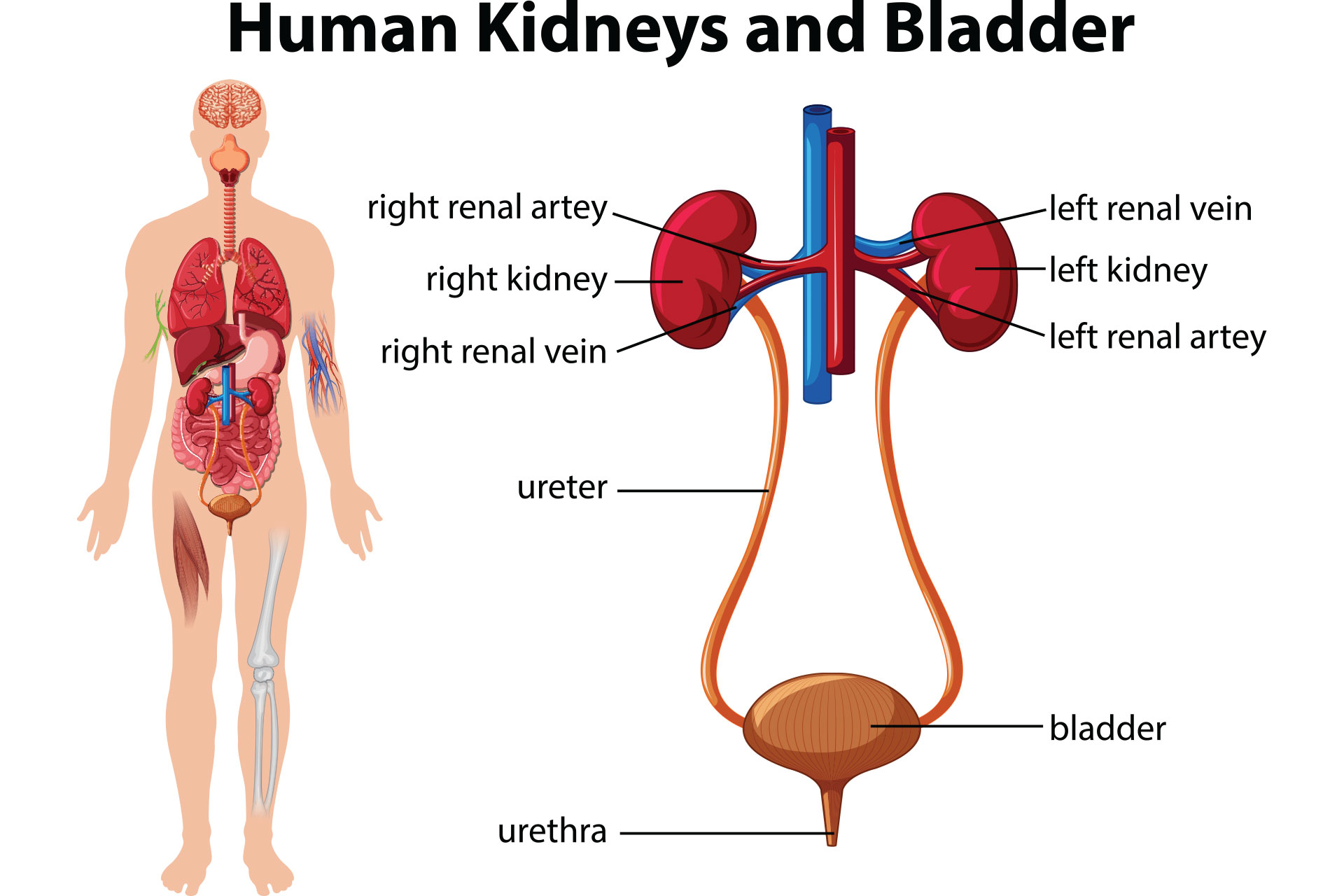
Understanding Ureteral Strictures: A Comprehensive Guide from Coastal Urology
Welcome to Coastal Urology’s comprehensive guide on ureteral strictures—a condition characterized by the narrowing or constriction of the ureter, the tube that carries urine from the kidneys to the bladder. In this resource, we aim to provide you with a thorough understanding of ureteral strictures, including their causes, symptoms, diagnosis, and available treatment options.
Overview:
Ureteral strictures are abnormal narrowings in the ureter, impeding the normal flow of urine. These strictures can result from various causes and may lead to complications if not addressed promptly. Coastal Urology is dedicated to providing expert care to individuals facing ureteral strictures.
Follow-up Care:
After treatment, regular follow-up appointments are essential to monitor recovery and address any potential issues. Coastal Urology is committed to providing ongoing support and personalized care to individuals recovering from ureteral strictures.
Conclusion:
Ureteral strictures require prompt and expert care. If you suspect you have a ureteral stricture or are experiencing symptoms, contact Coastal Urology for a comprehensive evaluation and personalized treatment plan. Our experienced urology team is here to guide you through diagnosis, treatment, and recovery, ensuring your urological health and overall well-being.
Injuries

Managing Ureteral Injuries: A Comprehensive Guide from Coastal Urology
Welcome to Coastal Urology’s informative guide on ureteral injuries—a condition that involves damage to the ureter, a vital component of the urinary system. In this resource, we aim to provide a thorough understanding of ureteral injuries, including their causes, symptoms, diagnosis, and available treatment options.
Overview:
Ureteral injuries can occur due to various causes, ranging from trauma and surgery to medical procedures. Coastal Urology is dedicated to offering expert care to individuals facing ureteral injuries, ensuring optimal recovery and preserving urinary function.
Causes and Risk Factors:
Ureteral injuries can result from different factors, including:
- Trauma: Accidents, falls, or injuries can cause direct trauma to the ureter.
- Surgery: Procedures involving the pelvic or abdominal region may unintentionally damage the ureter.
- Medical Interventions: Certain medical procedures, such as gynecologic or abdominal surgery, may carry a risk of ureteral injury.
- Kidney Stones: Passage of large kidney stones may cause injury to the ureter.
- Radiation Therapy: Treatment for certain cancers in the pelvic area can lead to ureteral damage.
Follow-up Care:
After treatment, regular follow-up appointments are essential to monitor recovery and address any potential complications. Coastal Urology is committed to providing ongoing support and personalized care to individuals recovering from ureteral injuries.
Conclusion:
Ureteral injuries require prompt and expert care. If you suspect you have a ureteral injury or are experiencing symptoms, contact Coastal Urology for a comprehensive evaluation and personalized treatment plan. Our experienced urology team is here to guide you through diagnosis, treatment, and recovery, ensuring your urological health and overall well-being.